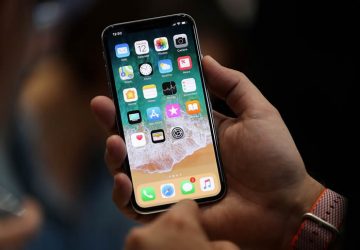
There is substantial evidence of indirect health hazards from electronics, namely, the hazards to your eyes and ears from prolonged exposure to electronics.
First of all, the blue light emitted by the screen will have a moderate effect on your eyesight and sleep, but the impact is not particularly large.
China issued a national standard in 2020 that specifies the blue light transmittance of electronic screens, so it's safe to say that the risk of blue light hazards is mitigated during manufacturing. According to the American Academy of Ophthalmology, blue light from computers does not cause ocular diseases; only excessive exposure to blue light and UV radiation from the sun increases the risk of eye disease.
So why do our eyes feel strained after using electronics? This should just be us misattributing the discomfort to blue light. Eye strain is related to usage habits. Usually, we blink about 15 times per minute, but when reading and using electronic products, this blink rate can be halved, prolonged eye fatigue, and insufficient tear production, of course, causing discomfort.
Therefore, to reduce the damage of electronic products to the eyes, rather than wear low-quality blue light filtering glasses, a more effective way is following the ‘20-20-20’ principle. That is, step away from screens every 20 minutes, look at objects 20 feet away for at least 20 seconds, to refocus vision. Sitting about an arm's length away from the screen.
Regarding hearing. We constantly use headphones on the commute or at the gym, but overuse of headphones can be very damaging to your hearing.
In principle, a person hears sound in three stages: sound capture, sound transmission, and neural processing. When using headphones, each component can be affected. Typically, in-ear headphones are used to transmit sound waves through the air in the external ear canal to the tympanic membrane to produce vibrations, which then reach the auditory nerve.
High volume levels or prolonged stimulation can lead to the death of auditory hair cells, resulting in hearing loss. Compared with ordinary headphones, noise-canceling headphones create a tighter seal, which is more likely to lead to middle ear pressure fluctuations, resulting in otitis media, hearing loss, and tinnitus. In contrast, bone conduction headphones can bypass the external ear canal and tympanic membrane, offering partial protection. But no matter which type of headphones, they all stimulate the inner ear, and neural processing remains consistent. So to protect your hearing effectively, turning down the volume and reducing wearing time is the most effective.
As with the eyes, taking regular breaks from headphone use is the best protection. You can follow the 60-60-60 rule, which means 60 decibels, 60 percent volume, and no more than 60 minutes.
The safe volume threshold is best not to exceed 60 percent of the maximum volume, and after continuous use, it is best to take a 5-minute break, and limit daily use to 3-4 hours.
LATEST POSTS
- 1
 Why do people get headaches and migraines? A child neurologist explains the science of head pain and how to treat it
 - 2See the metal guts of a satellite in this wild X-ray view | Space photo of the day for Dec. 4, 2025
- 3How to watch 'Tell Me Lies' Season 3: Episode release times, streaming info and more
- 4Barn Stored Lotus Esprit Turbo Seen After 30 Years
- 5A Manual for Extravagant Vehicles Available in 2024


- Fossil analysis changes what paleontologists know about how long T. rex took to grow full size
- Coalition led by Iraqi PM al-Sudani wins parliamentary elections
- Looking for a great Thanksgiving side dish recipe? These are the crowd-pleasers the Yahoo team swears by.
- Comet Lemmon and Milky Way spotted over Hawaii | Space photo of the day for Dec. 12, 2025
- ‘RichTok’ Influencer Becca Bloom Shows Off Custom Invitations and ‘Most Valued Possession’ from Her Viral 2025 Wedding
- 5 Signs Now is the ideal time to Update Your Android Telephone: When to Take the Action
- 7 Fast Approaches to Let loose Space on Your Telephone in a flash
- Step by step instructions to Remain Spurred While Chasing after a Web-based Degree
- Bad flu season getting worse; skyrocketing cases set state record