Stockpile concerns push the defense establishment to rely on less advanced systems, with mixed results.
Israel has begun limiting its use of its most advanced missile interceptors as ongoing Iranian barrages strain stockpiles, forcing the military to increasingly rely on upgraded but less capable systems, according to a Wall Street Journal report published Friday.
The shift comes as the war enters its fourth week, with Iran continuing near-daily launches of ballistic missiles and drones. In recent days, two Iranian missiles struck the southern cities of Dimona and Arad after interception attempts using modified, lower-tier systems failed.
Israeli air defenses, long regarded as among the most sophisticated in the world, have until now leaned heavily on the Arrow system to counter long-range ballistic threats. However, officials are now conserving these high-end interceptors, turning instead to enhanced versions of David’s Sling and even Iron Dome for threats they were not originally designed to handle.
The move reflects mounting pressure on military inventories, as both Israel and its allies contend with the high cost and slow production pace of advanced interceptors compared to Iran’s mass-produced missiles and drones.

Military planners must weigh each incoming threat carefully
“The number of interceptors of every type is finite,” Tal Inbar of the Missile Defense Advocacy Alliance said, noting that prolonged conflict forces increasingly difficult decisions about when and how to deploy defensive systems.
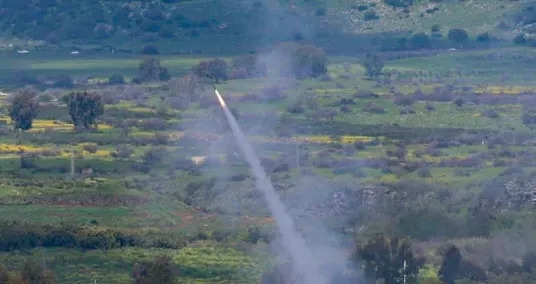
Since the start of the war, Iran has launched more than 400 missiles alongside hundreds of drones. While the intensity of attacks has decreased from the initial phase, the steady pace, combined with daily fire from Hezbollah, continues to stretch Israel’s layered air-defense network.
Military planners must weigh each incoming threat carefully, deciding whether interception is necessary and which system to deploy, while preserving capabilities for future scenarios. Israel’s multi-tiered defense structure, ranging from Iron Dome for short-range threats to Arrow 3 for exo-atmospheric interceptions, was designed for flexibility, but not for sustained high-volume warfare over extended periods.
Recent efforts to adapt lower-tier systems have included software upgrades and expanded operational parameters. David’s Sling, for example, has been pushed to intercept longer-range ballistic threats, with uneven success. Iron Dome has also been adapted to engage drones and longer-range projectiles.
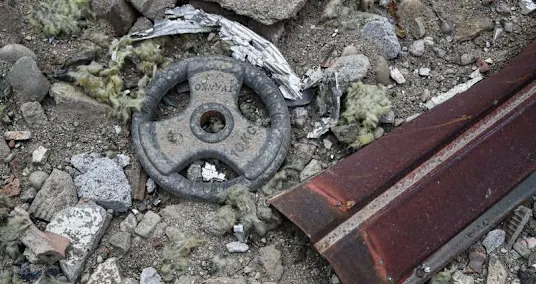
Still, the limitations of these adjustments were underscored by the direct hits in Dimona, home to Israel’s main nuclear facility, and Arad, incidents that heightened public concern and prompted some residents to relocate to reinforced shelters.
LATEST POSTS
- 1
 Revvity says it will exceed 2025 profit forecast range
 - 2Cyclone Narelle turns Australian skies blood red in ‘apocalyptic’ scenes
- 3Eco-Accommodating Kitchen Machines: 4 Picks for a Manageable Home
- 4The cave was pitch black – so to create this magical underwater shot, the photographer had to use all his camera expertise...
- 5Navy-Marine Corps Relief Society provides emergency grants to families displaced by Iran war




- Feeling wonder every day improves our health. Here’s how to do it.
- Trump signs a law returning whole milk to school lunches
- A Manual for Extravagant Vehicles Available in 2024
- Baidu robotaxi outage in Wuhan caused by 'system failure', police say
- 2025 Arctic League telethon raises more than $39k
- Israel says Iran's military industry will be destroyed 'within days'
- Picking Childcare Administrations for Your Loved ones
- Figure out how to Team up with Your Auto Crash Legal advisor for Best Outcomes
- New UPS distribution center in Taiwan doubles capacity, productivity